

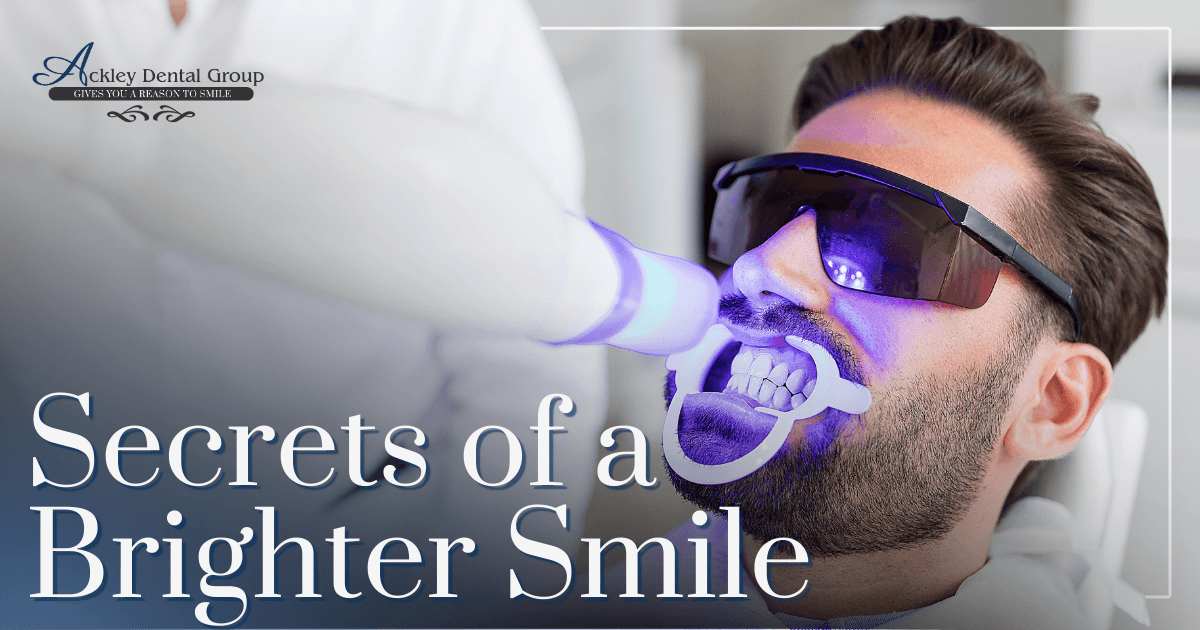
The Little-Known Truths Behind A Zoom! Smile

It’s understandable for you to assume that teeth whitening is only about looking good for photos. However, there is a lot happening behind the scenes. Behind every bright smile is a mix of chemistry, biology, and a few interesting facts that most people don’t know about. Read on to learn more about teeth whitening and Zoom! Whitening in particular.
What is Zoom! Whitening?
If you are looking for fast, noticeable whitening results, Zoom! Whitening is one of the most recognized in-office teeth whitening systems used in North America.
When we speak about it, we rarely speak about the intriguing reasons behind how the procedure works and why the results often differ from person to person.
Whitening Doesn’t “Bleach” Teeth the Way You Think
Contrary to popular belief, whitening strips or in-office systems do not “bleach” teeth the same way household cleaners bleach fabric. In reality, professional whitening works through oxidation. During whitening, hydrogen peroxide breaks down into oxygen molecules that penetrate your tooth enamel and break down the stains inside your teeth.
Another lesser-known fact is that your tooth enamel is slightly porous. Those tiny pores allow stain molecules from beverages like coffee, tea, and red wine to accumulate over time. Our whitening treatment targets those trapped molecules, resulting in a brighter appearance without physically scraping away your enamel.
All this to say that the process can damage your teeth if not done correctly. That is why professional supervision matters. We carefully calibrate the gel’s strength to brighten your teeth safely while protecting your tooth’s structure.
Not All Stains Respond the Same Way
Here is something that always surprises many of you: not all discoloration responds equally to whitening. Surface (or exterior) stains from food and beverages usually respond very well to treatment. Stains inside (or within) the tooth are more stubborn. Your genetics also play a role. Natural tooth shade varies from person to person, so “Hollywood white” isn’t everyone’s baseline.
Sensitivity Has a Scientific Explanation
You may experience some temporary sensitivity after whitening, and that is perfectly normal. During treatment, the pores in your tooth enamel open slightly to allow the whitening gel to penetrate. This temporary shift can make your nerves more responsive to temperature changes for a short time.
We use protective barriers and desensitizing agents to reduce this effect. The sensitivity typically resolves itself within 24 to 48 hours, especially when you follow post-care instructions carefully.
Whitening Results Depend on Lifestyle
Another detail that often gets overlooked is that whitening does not “seal” teeth against future stains. After treatment, enamel can still pick up discoloration over time, especially if staining foods and drinks remain a part of your daily habits.
If you frequently consume dark beverages or smoke, you may see your whitening results fade faster. If you rinse with water after coffee, use a straw for iced drinks, and maintain regular cleanings, you will often enjoy longer-lasting brightness.
The Real Value of Zoom! Whitening
Zoom! Whitening delivers visible results quickly, which is why it remains so popular and is our procedure of choice here. When you understand how whitening works, you can make better decisions about caring for your smile. It transforms the experience from a quick cosmetic fix into an educated investment in your smile. And sometimes, the most fascinating part of dentistry is realizing that what seems simple on the surface is powered by careful science working quietly behind the scenes.
If you’re ready to take the brightness of your smile to the next level, contact us to schedule an appointment at our dental office located in Spring Hill, FL. We’ll help you achieve the brighter, whiter smile you deserve!